Food is often much more than nutrition—it carries memories, emotions, and a deep sense of comfort. Many people notice that during stressful times, they naturally crave dishes connected to childhood, family gatherings, or simple home routines. This growing comfort food nostalgia trend shows how strongly emotions and memories influence modern eating habits. People are not only eating for hunger—they are often eating for emotional reassurance.
The rise of the comfort food nostalgia trend is closely connected to increasing childhood food cravings and the psychology of emotional eating. From homemade dal-chawal and childhood snacks to bakery treats linked with school memories, familiar foods create emotional safety. In fast-moving modern life, these simple food experiences often provide calm, connection, and a feeling of belonging.
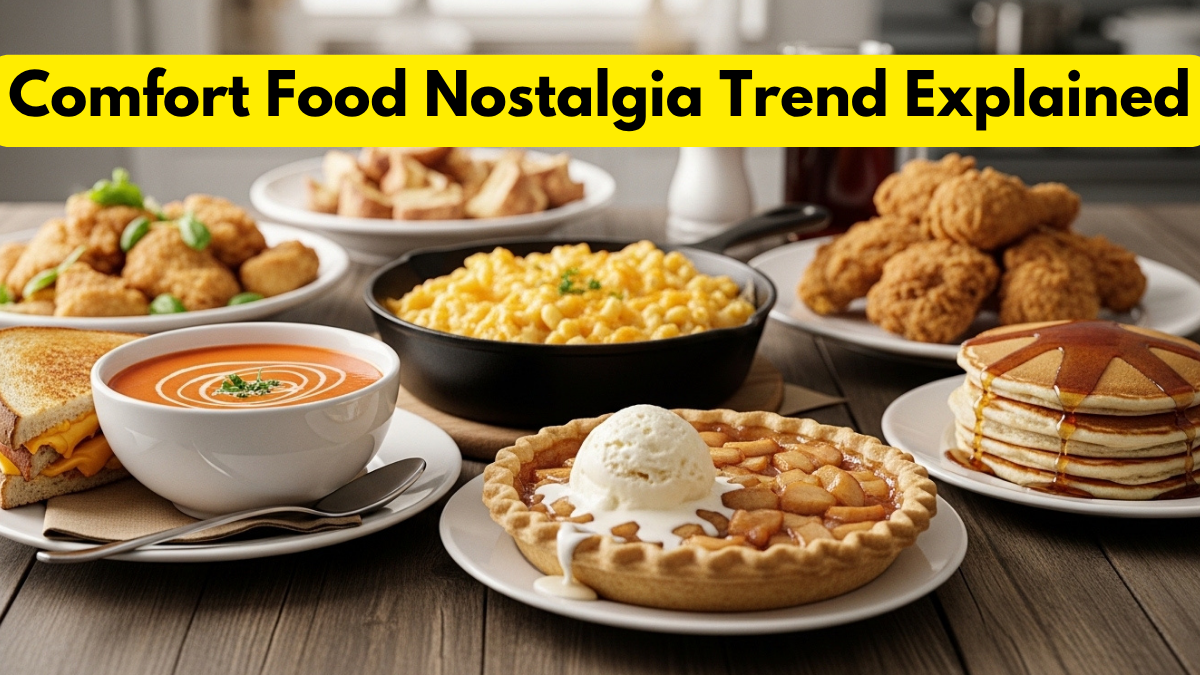
What Is Comfort Food Nostalgia Trend?
The comfort food nostalgia trend refers to the growing preference for foods that create emotional warmth because they are connected to personal memories, childhood experiences, or family traditions. These foods are not always luxurious or expensive—they are often simple meals with strong emotional meaning.
Examples include homemade khichdi, Maggi noodles from school days, childhood bakery biscuits, family-style curries, or dishes prepared by parents and grandparents. These childhood food cravings are powerful because they connect taste with emotional memory.
This also links closely with emotional eating, where people choose food based on mood rather than physical hunger. The comfort food nostalgia trend shows how emotional security often shapes food choices more strongly than health trends or social food trends.
Why Childhood Food Cravings Feel So Strong
The emotional power of childhood food cravings comes from memory association. Food is often connected to safety, routine, celebration, and family love, especially during early life experiences.
Common triggers include:
- Stressful workdays creating a need for comfort
- Homesickness while living away from family
- Festivals and family traditions linked to food
- Childhood routines like school snacks
- Emotional memories of parents or grandparents
- Desire for familiarity during uncertain times
These emotional triggers strengthen the comfort food nostalgia trend because people naturally return to familiar tastes when seeking stability. This form of emotional eating is often about emotional grounding rather than appetite alone.
Common Examples of Comfort Food Choices
The comfort food nostalgia trend includes foods that feel emotionally personal rather than universally “healthy” or trendy. What counts as comfort food often depends on culture, family background, and personal memories.
Popular examples include:
- Homemade rice and dal meals
- Paratha with curd or pickle
- Childhood instant noodles
- Tea with bakery biscuits
- Traditional sweets during festivals
- Street foods linked to school or college memories
These childhood food cravings are deeply individual. One person may find comfort in simple home food, while another may feel emotional connection through café snacks or old-school desserts. This personal nature makes emotional eating both powerful and meaningful.
Comfort Food vs Stress Eating
Understanding the difference between healthy emotional comfort and unhealthy overdependence helps explain the emotional side of the comfort food nostalgia trend.
Here is a simple comparison table:
| Healthy Comfort Food Habit | Unhealthy Emotional Eating |
|---|---|
| Enjoying food with awareness | Eating without emotional control |
| Occasional nostalgic cravings | Frequent stress-based overeating |
| Positive emotional connection | Guilt after eating |
| Food as comfort, not escape | Food replacing emotional coping |
| Balanced routine maintained | Repeated emotional dependence |
This table shows that emotional eating is not always negative. The issue begins when comfort food becomes the only way to manage emotions. The comfort food nostalgia trend is healthiest when it supports emotional balance rather than avoidance.
How Emotional Eating Shapes Modern Food Choices
Modern life creates stress, speed, and emotional overload, which makes familiar food feel even more valuable. Many people choose comfort food after long workdays because it feels emotionally easier than making perfect healthy choices.
This is why emotional eating often appears strongest during periods of burnout, loneliness, or major life change. Food becomes a fast emotional response that feels safe and familiar. The comfort food nostalgia trend reflects this emotional need, especially among young adults living away from home.
At the same time, restaurants and brands are noticing these childhood food cravings and creating menus built around nostalgia—retro desserts, old-school snacks, and “home-style” dishes are becoming more popular because emotional connection sells strongly.
Can Comfort Food Still Be Healthy?
Many people worry that the comfort food nostalgia trend always means unhealthy eating, but that is not always true. Comfort food can be emotionally satisfying and still balanced when approached with awareness.
Helpful habits include:
- Enjoying nostalgic foods without guilt
- Maintaining portion balance
- Choosing homemade versions when possible
- Understanding emotional triggers before eating
- Combining comfort with nutrition
- Avoiding using food as the only emotional support
This creates healthier emotional eating patterns and allows childhood food cravings to feel positive rather than overwhelming. Comfort should support life, not control it.
Conclusion
The comfort food nostalgia trend shows how deeply food is connected to memory, identity, and emotional well-being. Familiar meals offer more than taste—they bring safety, warmth, and a sense of home, especially during stressful times. In a fast and demanding world, simple foods often provide the strongest emotional comfort.
Understanding childhood food cravings helps people respond to food choices with more awareness instead of guilt. Healthy emotional eating is about balance, not perfection. Sometimes the most meaningful meal is not the most expensive or healthiest—it is simply the one that reminds you that you are safe, cared for, and at home.
FAQs
What is comfort food nostalgia trend?
The comfort food nostalgia trend refers to the growing preference for foods linked to childhood memories, family traditions, and emotional comfort rather than only hunger.
Why do childhood food cravings happen?
Childhood food cravings happen because certain foods are strongly connected to emotional memories, family routines, and feelings of safety from early life.
Is emotional eating always unhealthy?
No, emotional eating can be normal when balanced. It becomes unhealthy only when food becomes the main way to handle stress or emotional pain.
What are common comfort foods?
Common foods in the comfort food nostalgia trend include homemade meals, school-time snacks, festival sweets, and dishes prepared by parents or grandparents.
How can comfort food be enjoyed healthily?
Balanced portions, emotional awareness, and not depending only on food for comfort help make emotional eating healthier and more positive.
Click here to learn more