In modern professional environments, organizations increasingly recognize that workplace mental health is essential for long-term productivity, employee satisfaction, and organizational resilience. Rising stress levels, uncertain economic conditions, and shifting work structures have made mental well-being a top priority for employers worldwide. As companies move toward more holistic approaches to workforce management, structured programs that promote employee wellness and encourage stigma reduction are becoming indispensable. These initiatives aim to build supportive workplace cultures where employees feel safe discussing mental-health challenges without fear of judgment or discrimination.
Workplace mental-health initiatives are no longer viewed as optional benefits—they are critical components of sustainable business strategies. When employees receive appropriate mental-health support, they exhibit improved focus, better decision-making, stronger collaboration, and greater job satisfaction. Conversely, environments lacking adequate support often experience burnout, absenteeism, disengagement, and higher turnover rates.
This article explores how structured workplace mental-health programs can reduce stigma, strengthen employee well-being, and create more inclusive and productive work environments.
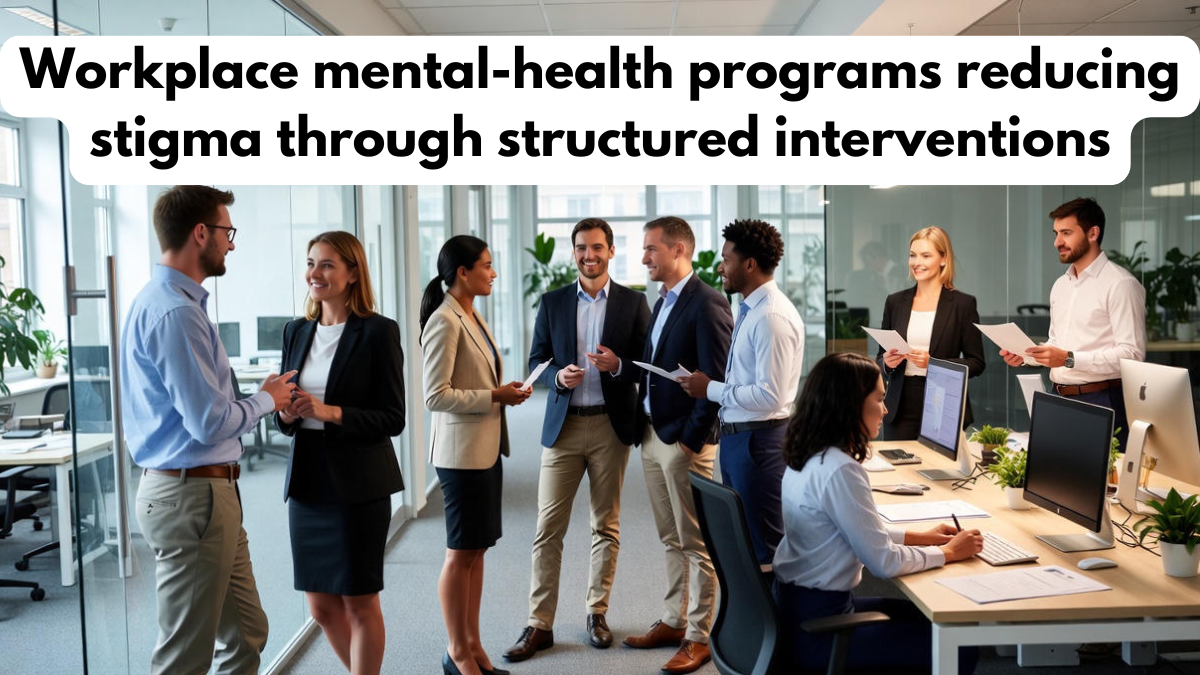
Understanding the Importance of Workplace Mental Health
Workplace mental health extends far beyond addressing clinical conditions; it encompasses emotional resilience, stress management, interpersonal relationships, and overall job satisfaction. Mental-health challenges can affect anyone, regardless of job role or industry. Despite this, stigma often prevents employees from seeking help or disclosing their struggles.
Organizations are increasingly aware that employee wellness directly influences productivity, retention, and overall business performance. When workers feel supported, they are more likely to engage meaningfully with their tasks, collaborate effectively, and contribute to long-term organizational goals.
To achieve meaningful stigma reduction, companies must develop environments that normalize mental-health conversations, ensure confidentiality, and provide easy access to services such as counseling, stress-management resources, and peer support networks. Creating such inclusive cultures requires leadership commitment, policy updates, and continuous educational initiatives.
Core Components of Effective Mental-Health Programs
Successful workplace mental health programs include a combination of structural, educational, and behavioral interventions. These programs aim to create a comprehensive support system that benefits employees at all levels of the organization.
The table below highlights essential components of mental-health programs and how they contribute to employee wellness and stigma reduction:
| Program Component | Description | Impact on Wellness & Stigma Reduction |
|---|---|---|
| Employee Assistance Programs (EAPs) | Confidential counseling and support services | Enhances accessibility and encourages early intervention |
| Mental-Health Training for Managers | Educates leaders on recognizing and supporting struggling employees | Promotes empathy and reduces stigmatizing behaviors |
| Peer Support Networks | Groups led by trained employees offering mutual support | Builds community and normalizes mental-health discussions |
| Flexible Work Policies | Options such as remote work and flexible hours | Reduces stress and supports work–life balance |
| Awareness Campaigns | Workshops, seminars, and communication drives | Improves knowledge and reduces stigma through education |
These components work together to build organizational cultures where mental health is prioritized and respected.
The Role of Employee Wellness in Mental-Health Improvement
Employee wellness encompasses physical, emotional, and psychological well-being. Companies committed to holistic wellness invest in programs that address every dimension of employee health, including stress reduction, physical fitness, nutrition, financial well-being, and personal development. When these initiatives align with mental-health programs, employees receive well-rounded support systems that enhance resilience and reduce the likelihood of burnout.
Wellness initiatives help employees balance work responsibilities with personal life demands. Access to counseling, mindfulness programs, self-care workshops, or wellness apps enables employees to manage stress more effectively. When workers feel empowered to take care of themselves, the broader organization benefits from improved morale, creativity, and engagement.
Ultimately, fostering employee wellness reinforces the importance of mental health as a shared organizational responsibility.
Overcoming Stigma Through Education and Culture Change
One of the most challenging barriers to workplace mental health improvement is stigma. For many employees, acknowledging mental-health challenges can feel risky due to fear of negative judgment, discrimination, or career repercussions. Overcoming these barriers requires sustained cultural transformation driven by leadership and reinforced by organizational policies.
Educational initiatives play a significant role in stigma reduction. Training sessions, open discussions, and awareness campaigns help normalize mental-health topics and encourage empathy among staff. When leaders openly support mental-health efforts, employees feel safer discussing their experiences and seeking assistance.
Another powerful tool is storytelling. Programs that allow employees to share experiences—voluntarily and safely—help humanize mental-health challenges and dismantle harmful stereotypes. By promoting openness, companies create environments that prioritize compassion, understanding, and collective support.
Challenges in Implementing Workplace Mental-Health Programs
While progress is being made, several challenges continue to limit the effectiveness of workplace mental health programs. One major barrier is insufficient funding or lack of dedicated personnel to manage mental-health initiatives. Some organizations may introduce programs without ensuring long-term sustainability, leading to inconsistent employee engagement.
Another challenge involves workplace culture. Even with available resources, employees may hesitate to participate due to ongoing stigma, privacy concerns, or fear of negative career consequences. Addressing these issues requires ensuring confidentiality, strengthening communication channels, and reinforcing that mental health is a priority at every organizational level.
Additionally, organizations must avoid a one-size-fits-all approach. Diverse workforces require tailored initiatives that reflect varying needs, cultural backgrounds, and job roles. Companies that adapt programs based on employee feedback are more likely to achieve meaningful stigma reduction and long-term wellness improvements.
The Future of Workplace Mental Health Initiatives
As organizational expectations evolve, the future of workplace mental health will involve more personalized, technology-driven, and data-informed strategies. AI-powered mental-health assessments, digital therapy platforms, and wellness apps will continue to grow in popularity. These tools offer accessible support and real-time monitoring, making mental-health care more proactive than reactive.
Companies will also integrate mental-health metrics into leadership evaluations and organizational performance indicators. This shift ensures that employee wellness becomes embedded within core business strategies rather than an optional add-on.
In addition, workplace cultures will increasingly emphasize empathy, psychological safety, and inclusive communication. Through continuous stigma reduction, organizations will be better positioned to support diverse teams and build resilient, high-performing work environments.
Conclusion
Workplace mental health is essential for building strong, productive, and resilient organizations. By prioritizing employee wellness and implementing comprehensive strategies for stigma reduction, companies can create supportive environments where employees feel valued and empowered. As mental-health awareness continues to grow, workplace programs will become even more critical to organizational success. With the right interventions and long-term commitment, workplaces can evolve into spaces where well-being and productivity coexist harmoniously.
FAQ
Why is workplace mental health important?
It supports employee well-being, productivity, and long-term organizational success.
How does stigma reduction help employees?
It encourages open conversations, reduces fear, and allows employees to seek help without judgment.
What programs improve workplace mental health?
EAPs, awareness campaigns, flexible work options, training programs, and peer support networks.
How does employee wellness relate to mental health?
Wellness initiatives promote holistic well-being, reducing stress and improving resilience.
What challenges affect workplace mental-health programs?
Funding limitations, cultural barriers, privacy concerns, and lack of program customization.
Click here to learn more