Modern life is deeply intertwined with screens. From work emails and social media to entertainment and online shopping, digital exposure fills nearly every waking moment. While technology has brought convenience, it has also introduced mental fatigue, attention burnout, and emotional overload. In response to this growing strain, a powerful lifestyle movement is gaining traction—unplugged weekends. These intentional breaks from screens are becoming a cornerstone of modern digital wellness, allowing people to reset their minds, reconnect with the physical world, and restore emotional balance. What once felt impossible—spending entire weekends without screens—is now being embraced as a necessary act of self-care and mental survival in the digital age.
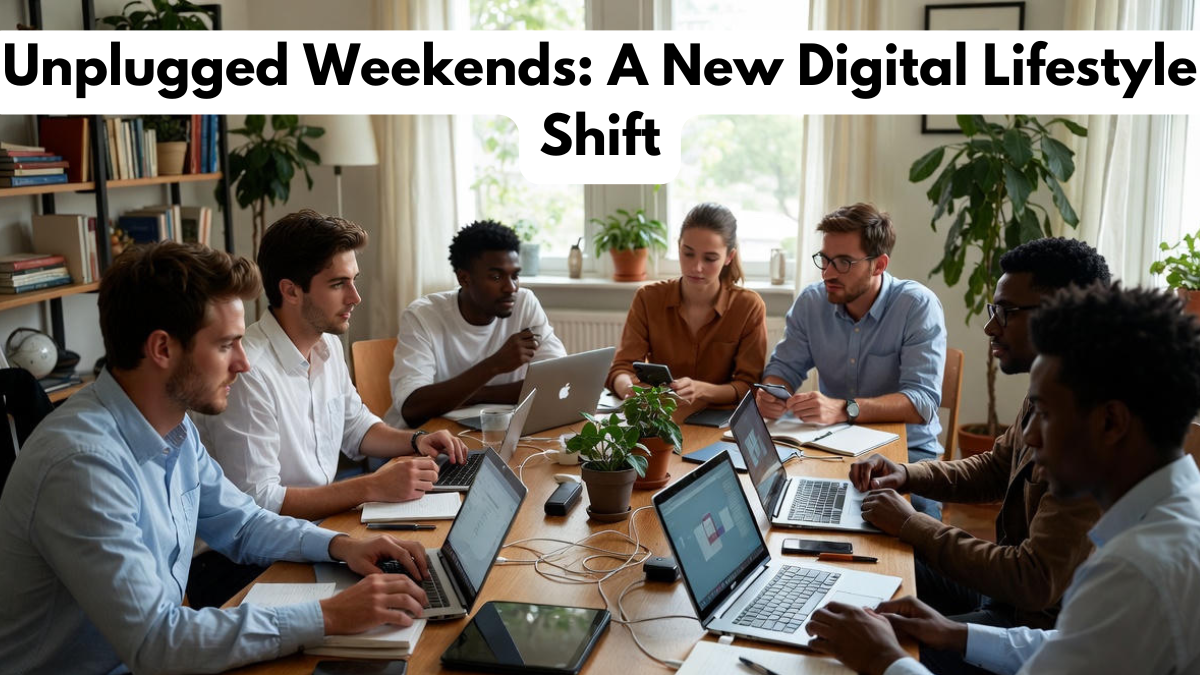
Why Unplugged Weekends Are Gaining Global Momentum
The rapid rise of unplugged weekends is driven by growing awareness of digital overconsumption. People now spend extreme hours on phones, laptops, and tablets during the workweek. By the time weekend arrives, mental exhaustion has already set in. This is where digital wellness becomes critical. Unplugged weekends provide psychological space for the brain to recover from constant notifications, artificial stimulation, and information overload.
Another reason for growing popularity is the emotional cost of hyper-connectivity. Endless scrolling has been linked to anxiety, comparison stress, loneliness, and emotional numbness. Unplugged weekends interrupt this cycle by restoring presence. When people step away from screens, they return to conversations, nature, hobbies, and genuine rest. Families talk more. Friends engage more deeply. Solitude feels peaceful instead of lonely. These emotional improvements are why unplugged weekends are rapidly spreading across cultures and age groups as a key digital wellness strategy.
Psychological and Physical Benefits of Unplugged Weekends
The brain is not designed for non-stop stimulation. Constant digital input keeps the nervous system in a low-level fight-or-flight state. Unplugged weekends help shift the body into a restorative mode. Stress hormones begin to drop. Focus improves. Sleep deepens. Emotional regulation strengthens. These changes are foundational pillars of true digital wellness.
Emotionally, unplugged weekends reduce anxiety, irritability, and emotional burnout. Without social media comparisons, people reconnect with self-worth that is not dependent on digital validation. Without endless news updates, fear-based thinking softens. Without work emails, mental pressure loosens. People rediscover boredom—not as emptiness, but as creative spaciousness. This quiet mental space fuels reflection, creativity, and psychological resilience.
Physically, unplugged weekends improve posture, eye health, sleep quality, and circadian rhythm stability. Blue light exposure reduces. Melatonin production improves. Muscle tension from screen hunching eases. Over time, these physiological improvements compound into stronger immunity, better hormonal balance, and more stable energy levels. This direct link between unplugged weekends and digital wellness is now widely recognized in wellness science.
How Unplugged Weekends Transform Daily Digital Wellness Habits
One of the most powerful effects of unplugged weekends is how they indirectly reshape weekday behavior. Once people experience how peaceful and clear-minded they feel after a full screen-free weekend, they naturally begin reducing unnecessary digital use during the week as well. This crossover effect strengthens long-term digital wellness rather than limiting benefits to just two days.
Here is a comparison of lifestyle patterns with and without unplugged weekends:
| Lifestyle Area | No Unplugged Weekends | With Unplugged Weekends |
|---|---|---|
| Screen time on weekends | Very high | Very low |
| Mental fatigue | Accumulates weekly | Resets weekly |
| Sleep quality | Disrupted | Deep and restorative |
| Emotional presence | Distracted | Fully engaged |
| Digital wellness strength | Weak | Strong and sustainable |
This table clearly shows how unplugged weekends act as a reset mechanism that stabilizes long-term digital wellness across multiple dimensions of health and behavior.
As people become more conscious of digital intake, they start implementing micro-habits such as morning phone delays, notification control, tech-free meals, and screen-free bedtime routines. These habits grow naturally once unplugged weekends establish a healthy baseline for digital balance.
Challenges of Practicing Unplugged Weekends and How to Overcome Them
Despite their benefits, unplugged weekends can be difficult to implement at first. Many people experience anxiety when disconnecting from devices. Fear of missing messages, social updates, emergencies, or work communication can create strong psychological resistance. This digital dependency is one of the biggest obstacles to true digital wellness.
Another challenge is social pressure. Friends expect instant replies. Families expect availability. Work cultures often blur boundaries into weekends. These social systems are built around constant connectivity. Breaking that pattern requires clear communication and personal boundaries. However, most people find that once they communicate their unplugged intentions clearly, understanding quickly follows.
Practical strategies for starting unplugged weekends include:
- Informing close contacts in advance
- Activating auto-replies for work communication
- Turning off non-essential notifications
- Keeping one emergency device with limited access
- Planning offline activities in advance
Once the initial discomfort fades, most people discover that unplugged weekends become easier, calmer, and deeply refreshing. The nervous system slowly relearns that safety does not depend on constant digital presence. This retraining is a core part of long-term digital wellness.
Cultural and Lifestyle Shifts Driven by Unplugged Weekends
The growing popularity of unplugged weekends reflects a larger cultural shift away from hustle culture and toward intentional living. People are redefining productivity. Rest is no longer seen as laziness. Disconnection is no longer viewed as irresponsibility. Instead, rest and disconnection are being recognized as essential mental recovery tools.
This shift is deeply transforming leisure patterns. Instead of streaming marathons and endless scrolling, people are rediscovering slow activities—reading, walking, cooking, journaling, home projects, creative hobbies, and deep conversation. These offline experiences supply emotional nutrition that screens often cannot provide. As a result, digital wellness becomes not just a health practice, but a lifestyle philosophy built around presence, intention, and emotional clarity.
Communities and families practicing unplugged weekends often report stronger relationships, lower conflict levels, and greater emotional transparency. Children raised in such environments develop healthier attention spans and more grounded emotional development. This generational benefit makes unplugged weekends a powerful cultural investment, not just an individual self-care trend.
Conclusion
Unplugged weekends represent a profound shift in how modern society responds to digital overload. By intentionally stepping away from screens, people reclaim mental clarity, emotional balance, physical restoration, and authentic human connection. As a cornerstone of digital wellness, unplugged weekends go far beyond temporary detox—they restructure how individuals relate to technology, time, and presence throughout the entire week. In a world that constantly demands attention, choosing to disconnect is becoming one of the most powerful acts of self-respect and long-term well-being.
FAQs
What are unplugged weekends
Unplugged weekends are screen-free periods where individuals intentionally avoid digital devices to reset mental health and restore balance.
How do unplugged weekends support digital wellness
They reduce screen fatigue, improve sleep, lower stress, and restore emotional presence, all of which strengthen digital wellness.
Is it safe to stay completely offline during unplugged weekends
Yes, as long as emergency contact methods are planned, unplugged weekends are both safe and beneficial.
How often should someone practice unplugged weekends
Most people benefit from practicing unplugged weekends once every week or at least twice a month for digital wellness balance.
Can families practice unplugged weekends together
Yes, unplugged weekends are highly effective for families and strengthen relationships, emotional connection, and healthy tech habits.
Click here to learn more