In today’s rapidly growing urban environments, the problem of sound pollution has become more intense than ever. With busy roads, construction work, and constant public movement, the rising levels of city noise are creating long-term challenges for the well-being of people living in major cities. Researchers now understand that exposure to loud or continuous noise doesn’t just create discomfort—it significantly affects human stress levels and overall mental health. As cities expand and daily routines become more demanding, the effects of noise are becoming harder to ignore.
The connection between sound pollution and increasing anxiety, irritability, and sleep problems has been documented across many global studies. Fast-paced cities amplify these issues because people remain exposed throughout the day, whether at work, during travel, or even inside their homes. Understanding these impacts is essential for creating healthier urban conditions. This article explores how city noise affects stress, why the problem is growing, and what communities can do to address it.
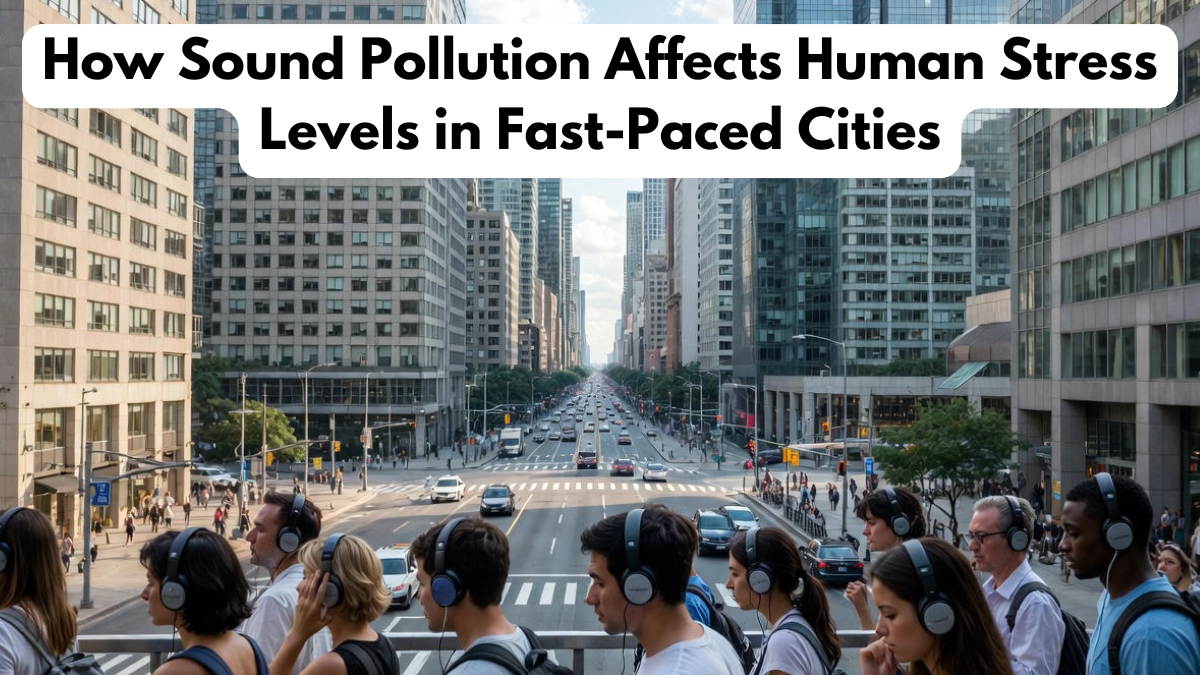
How Sound Pollution Influences the Human Mind
Continuous exposure to sound pollution activates the body’s stress response systems. Loud noises trigger the release of cortisol, a hormone associated with stress, and when this occurs daily, it directly harms overall mental health. People living near highways, airports, or crowded markets often show higher stress levels because their bodies cannot fully relax.
Urban environments worsen the issue because city noise remains constant—horns, sirens, and construction create a background sound that never fully disappears. Over time, this leads to sleep problems, reduced concentration, and emotional fatigue. These effects accumulate, making it more difficult for people to manage their everyday responsibilities and maintain productivity.
The Rising Challenges in Fast-Paced Cities
In fast-moving metropolitan areas, sound pollution increases because both population and infrastructure continue growing. As cities become more crowded, transportation systems, public spaces, and residential buildings generate overlapping layers of city noise. This constant noise exposure forces the brain to work harder, undermining emotional stability and weakening mental health.
Some groups are more heavily affected than others. Students struggle to concentrate, workers face reduced efficiency, and elderly individuals may experience higher stress sensitivity. People who already suffer from anxiety face even stronger reactions because noise interrupts their ability to relax or process emotions calmly.
Health Effects of Noise Exposure: A Clear Comparison
The table below provides a simple comparison of how temporary versus long-term exposure to sound pollution affects the human body and mind.
| Type of Exposure | Impact on Mental Health | Stress Level Changes | Examples of City Noise |
|---|---|---|---|
| Short-term Exposure | Temporary irritation, reduced focus | Mild increase in stress hormones | Honking, loud conversations |
| Medium-term Exposure | Frequent headaches, sleep disturbance | Elevated stress and tension | Traffic congestion, loud public areas |
| Long-term Exposure | Anxiety, poor emotional regulation, burnout | Consistently high cortisol levels | Airports, busy markets, construction zones |
This comparison shows how the effects of sound pollution intensify when individuals are exposed to city noise for extended periods, ultimately damaging overall mental health.
Possible Solutions to Reduce Stress Caused by City Noise
Communities can reduce the harmful impact of sound pollution by adopting new strategies focused on improving public health. Urban planners and local governments can design quieter neighborhoods and introduce policies that limit unnecessary noise. Individuals can also take certain steps to protect themselves. Some effective methods include:
- Using noise-reducing windows or insulation at home
- Wearing earplugs in high-noise environments
- Turning off unnecessary sources of noise indoors
- Encouraging city authorities to create noise-free zones
- Planting trees to act as natural sound barriers
These efforts can significantly reduce exposure to city noise, helping people maintain better sleep cycles, improved concentration, and stronger mental health.
Conclusion
The modern world’s fast-growing cities are becoming highly stressful places due to continuous sound pollution. The constant pressure of city noise affects emotional well-being, disrupts sleep patterns, and increases daily stress levels. The impact on mental health is serious, especially for people who remain exposed for long periods. With proper awareness, city planning, and personal action, it is possible to reduce noise levels and create calmer, healthier environments. Addressing the issue today will help future generations experience better emotional balance and healthier urban living.
FAQ
What is sound pollution?
Sound pollution refers to unwanted or harmful noise in the environment that negatively affects daily life, stress levels, and mental well-being.
How does city noise impact mental health?
Continuous exposure to city noise increases stress hormones, disrupts sleep, and weakens overall mental health.
What are common sources of sound pollution in cities?
Traffic, construction sites, loud public gatherings, sirens, and crowded streets are major contributors.
Can sound pollution cause long-term stress?
Yes, long-term exposure can lead to chronic stress, anxiety, and emotional fatigue.
How can people protect themselves from sound pollution?
Using ear protection, improving home insulation, choosing quieter routes, and supporting noise-control policies can significantly help.
Click here to learn more