In an age of constant connectivity, rising stress levels, and emotional overload, the practice of mental health check-ins has emerged as one of the most searched and shared wellness strategies worldwide. More people than ever are seeking simple, practical ways to monitor their emotional well-being, manage daily pressures, and cultivate inner balance. The growing focus on self care, the popularity of anxiety tools, the power of consistent routines, and the therapeutic impact of journaling reveal a global shift toward proactive mental wellness. The rise of mental health check-ins reflects a collective desire to build emotional resilience before burnout occurs.
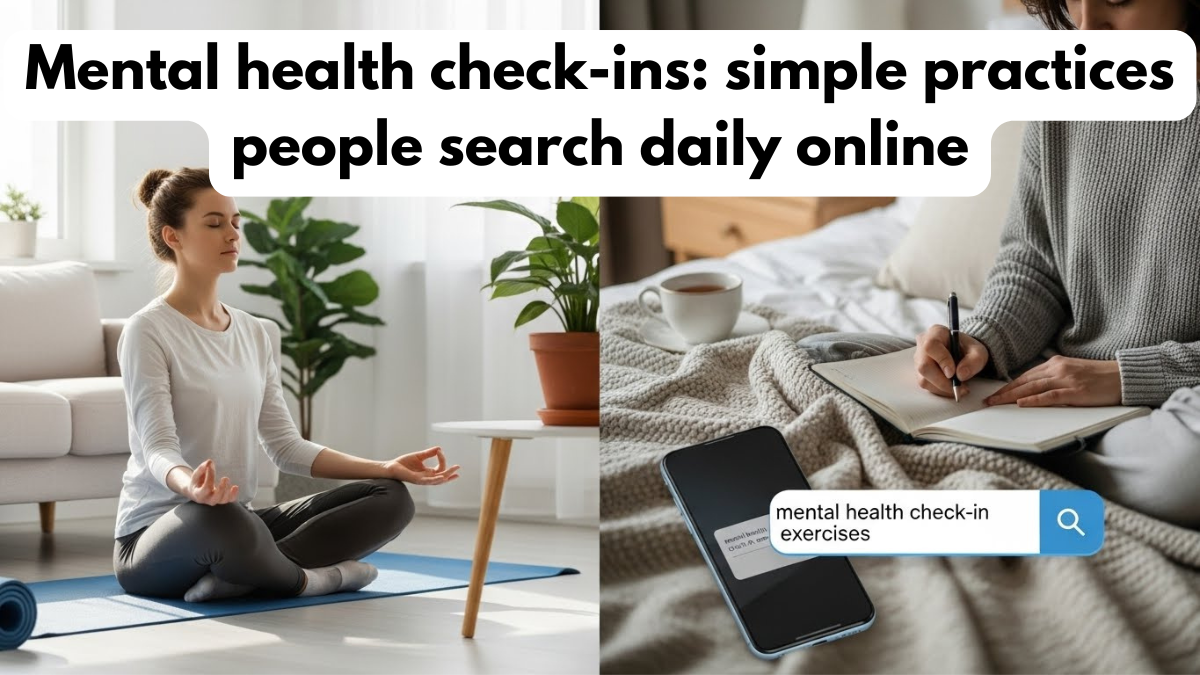
Why Mental Health Check-Ins Matter Today
Modern life places unprecedented demands on emotional health. Workplace pressure, digital overload, financial uncertainty, and social isolation all contribute to chronic stress. Mental health check-ins serve as intentional pauses in this relentless pace, allowing individuals to recognize emotional patterns before they escalate into serious mental health challenges.
Through daily routines, people create predictable moments of reflection that ground them in the present. These routines integrate self care practices such as breathing exercises, body awareness, and gratitude reflection. Meanwhile, targeted anxiety tools help individuals identify triggers, regulate nervous system responses, and restore mental equilibrium.
Building Effective Daily Routines for Emotional Wellness
The foundation of consistent mental health check-ins lies in creating sustainable daily routines. These rituals anchor emotional well-being and establish psychological safety in an unpredictable world.
| Practice | Purpose | Emotional Benefit |
|---|---|---|
| Morning reflection | Set daily intention | Increased focus |
| Breathing exercises | Calm nervous system | Reduced stress |
| Midday pause | Emotional awareness | Improved clarity |
| Evening journaling | Process emotions | Emotional release |
| Gratitude listing | Shift perspective | Enhanced mood |
These routines transform abstract wellness concepts into daily habits that nurture long-term mental stability.
Self Care and Anxiety Tools in Everyday Life
At the heart of mental health check-ins lies intentional self care. This is not indulgence, but essential maintenance for emotional health. Quality sleep, hydration, nutritious meals, physical movement, and meaningful connection form the physical foundation of mental resilience.
Modern anxiety tools complement these habits. Mobile apps, guided meditation, grounding techniques, and cognitive reframing exercises empower individuals to manage anxiety before it becomes overwhelming. Combined with structured routines, these tools provide reliable emotional support during stressful periods.
The Power of Journaling for Emotional Processing
Among all mental health check-ins practices, journaling stands out for its accessibility and effectiveness. Writing clarifies thoughts, releases suppressed emotions, and strengthens self-awareness. By externalizing internal experiences, journaling reduces emotional intensity and helps individuals gain perspective on their challenges.
Over time, journaling reveals emotional patterns that inform healthier choices. When paired with self care and targeted anxiety tools, this practice becomes a powerful engine for emotional growth and healing.
How Digital Culture Supports Mental Wellness
The surge in online searches for mental health check-ins reflects the normalization of mental wellness conversations. Social media platforms, wellness communities, and digital content creators have helped reduce stigma while offering practical strategies. This collective knowledge exchange empowers individuals to experiment with routines, explore anxiety tools, and adopt journaling techniques that resonate with their personal needs.
The result is a global movement toward emotional literacy and proactive mental health management.
Conclusion
The growing adoption of mental health check-ins signals a cultural shift toward emotional responsibility and resilience. Through consistent routines, compassionate self care, accessible anxiety tools, and reflective journaling, individuals gain the skills to navigate modern life with clarity and strength. These simple daily practices do more than manage stress — they build the foundation for lifelong mental well-being.
FAQs
Why are mental health check-ins important?
They help individuals recognize emotional patterns early and maintain long-term well-being.
How does self care support mental health?
Self care strengthens physical and emotional resilience, reducing vulnerability to stress.
What anxiety tools are most effective?
Breathing techniques, grounding exercises, and guided mindfulness are powerful anxiety tools.
Why is journaling beneficial?
Journaling releases emotions, clarifies thoughts, and enhances self-awareness.
How long does it take to see results from routines?
Consistent routines typically produce noticeable improvements within a few weeks.
Click here to learn more