Across cultures and generations, inherited objects hold a unique place in human life. These items—whether they are photographs, jewelry, books, or everyday household items—carry more than physical form. They hold stories, histories, and deeply rooted connections to loved ones. Their power lies not in monetary value, but in the emotional memory they preserve. As people pass down meaningful belongings, they transfer identity, legacy, and shared experiences. This emotional weight transforms simple objects into symbols of love, resilience, and continuity. In a world where material possessions change rapidly, inherited items provide stability and remind us of who we are and where we come from.
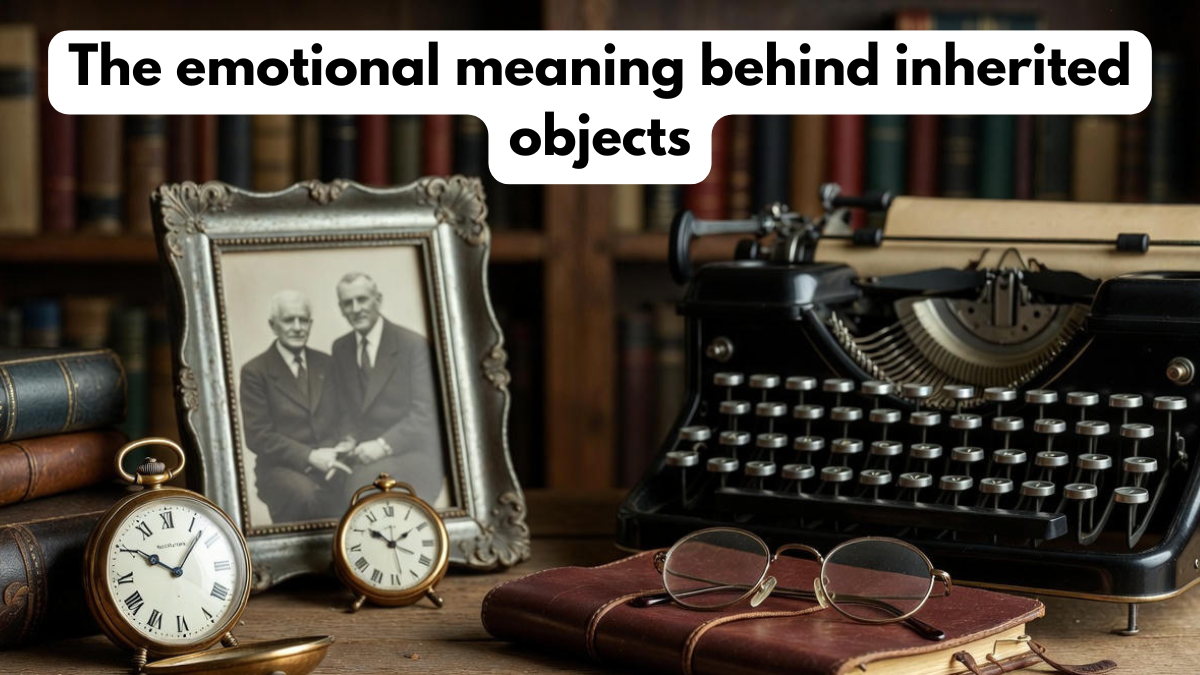
Why inherited objects hold deep emotional memory
The power of inherited objects stems from the emotional layers attached to them. When an object comes from a loved one, it carries memories of their presence, values, and personality. This transforms the object into a vessel of emotional memory, helping individuals feel close to those who are no longer physically present. Many people keep inherited items not because they are useful, but because they serve as anchors to identity and belonging.
Objects like handwritten letters, watches, or old recipes often evoke vivid emotions. They bring back moments shared with parents, grandparents, or ancestors. These items act as time capsules, preserving the emotional tone of past experiences. The connection between inherited objects and emotional memory is so strong that even holding or looking at them can trigger comfort, nostalgia, and a sense of continuity.
How inherited objects shape family history
Family history is often passed down through stories, traditions, and meaningful possessions. Inherited objects transform abstract family narratives into physical reminders of heritage. They help preserve cultural rituals, skills, and values. When people pass down objects, they pass down the emotional memory contained in them—creating a sense of unity from one generation to the next.
For example, a grandmother’s sewing machine may represent creativity and resilience, while a father’s watch may symbolize discipline and responsibility. These inherited possessions become emotional extensions of family history, helping younger generations understand their roots. Through these items, families maintain a tangible connection to their heritage, reinforcing identity and belonging in powerful ways.
Table: Types of Inherited Objects and Their Emotional Meanings
| Type of Inherited Object | Common Symbolism | Connection to Emotional Memory |
|---|---|---|
| Jewelry | Love, protection, tradition | Carries personal and generational memories |
| Photographs | Family identity, shared moments | Evokes vivid emotional recall |
| Letters/Diaries | Wisdom, personality, reflection | Preserves voice and emotional tone |
| Tools or Household Items | Skills, work ethic, daily life | Connects to routine and lived experience |
| Books/Recipes | Knowledge, culture, tradition | Keeps intellectual and cultural memory alive |
This table illustrates how inherited objects serve as powerful emotional anchors, each preserving specific aspects of emotional memory.
Why inherited objects help with grief and healing
One of the most meaningful aspects of inherited objects is their role in emotional healing. When someone experiences the loss of a loved one, inherited items help maintain a sense of closeness. They become symbols of connection that soften the pain of separation. This is why people often hold onto items like clothing, handwritten notes, or favorite belongings—they provide comfort during grieving and become physical reminders of shared love.
The emotional stability these objects offer is rooted in emotional memory. By interacting with inherited items, people create a bridge between past and present, helping them process loss in a healthy way. The memories embedded in these objects provide reassurance and emotional grounding during challenging times, making inherited possessions essential parts of the grieving journey.
How inherited objects shape future identity
While inherited objects connect people to their past, they also influence the future. They inspire values, shape personal beliefs, and encourage individuals to carry forward the lessons of those who came before them. This connection is strengthened through emotional memory, which helps individuals internalize these lessons in meaningful ways. For instance, an inherited cookbook may inspire someone to continue family traditions, while a musical instrument may motivate them to pursue creativity.
Moreover, passing down meaningful objects to future generations reinforces a sense of responsibility and continuity. It encourages individuals to preserve family stories and to become storytellers themselves. Through this process, inherited objects become living symbols of legacy, shaping identity across generations.
Conclusion
Inherited objects carry emotional significance far beyond their physical form. They preserve emotional memory, strengthen family history, and provide comfort during grief. Whether through jewelry, letters, books, or everyday belongings, these objects connect individuals to their roots and enrich their understanding of who they are. As they move through generations, inherited items continue to shape identity, inspire values, and remind families of their shared bonds. In a world that constantly changes, inherited objects remain powerful symbols of continuity, love, and emotional connection.
FAQs
Why do inherited objects feel emotionally significant?
Inherited objects feel significant because they contain emotional memory tied to loved ones, preserving personal and family history in a tangible form.
How do inherited objects help with grief?
They provide comfort and emotional grounding by maintaining a symbolic connection to the person who has passed away, reinforcing the power of emotional memory.
Why are some inherited items treasured even if they have no financial value?
Because their real value lies in the memories, emotions, and relationships they represent, making inherited objects deeply meaningful.
Do inherited objects influence identity?
Yes, they shape identity by connecting individuals to their heritage, traditions, and values through powerful emotional memory.
Click here to learn more